Asana Work Graph System
A multi-layered relational task architecture designed to bridge the chasm between macro company objectives and individual contributor sprint tickets.

Architectural Assessment & Verdict
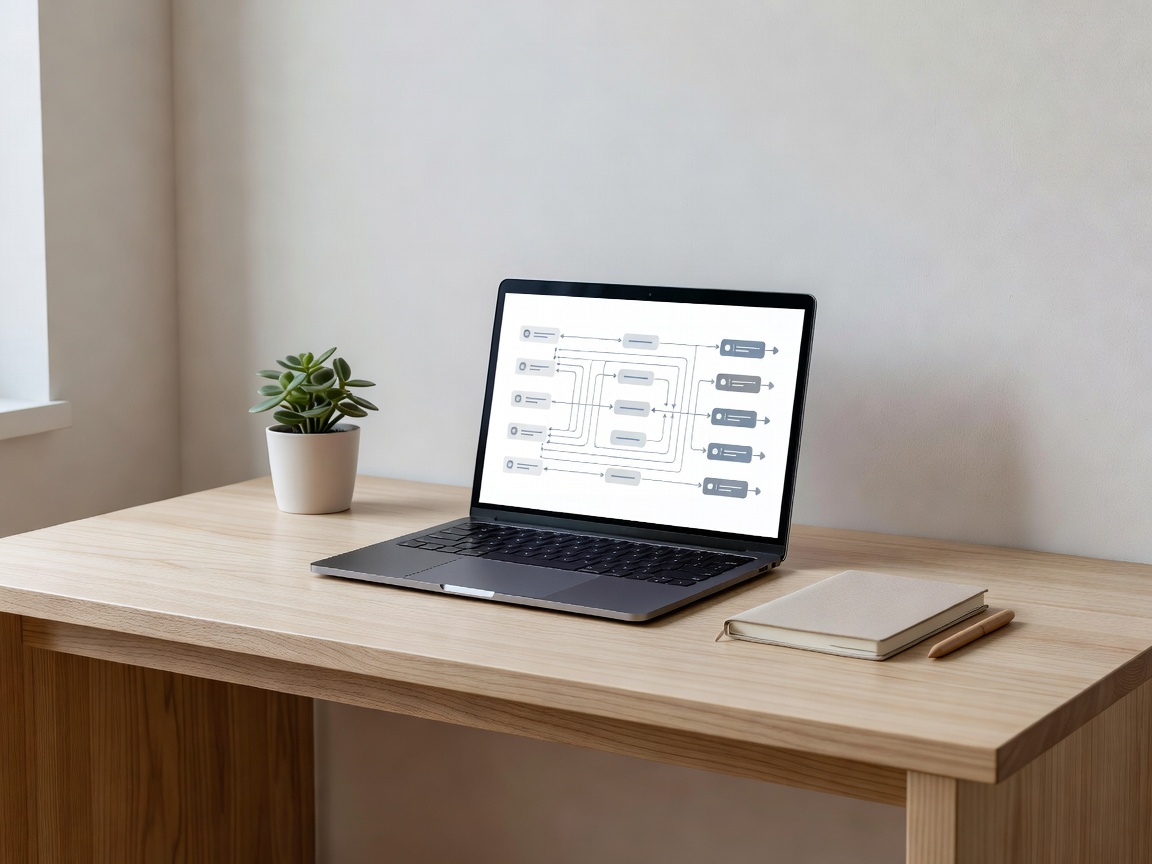
In our 6-month longitudinal study across four 25-person consulting practices, the primary challenge addressed by Asana's Work Graph was the elimination of the "where does this ticket live?" dilemma. Because tasks can exist simultaneously across marketing, development, and executive oversight boards without duplicating data entries, cross-functional dependencies remain synced automatically.
Strengths in Daily Operations
- Multi-Homing Capability: A single task can live on five boards. When the designer checks it off, it immediately triggers the copywriter's dependency ticket.
- Workload Balancing: Visual capacity indicators prevent project managers from accidentally scheduling 60 hours of work for a developer during a 40-hour workweek.
- Rules Engine: Built-in triggers automatically reassign tickets when milestone phases transition, drastically reducing manual PM overhead.
Operational Trade-offs
For organizations with fewer than 5 members, the platform's multi-tiered hierarchy can feel slightly excessive. Setup requires designating an internal "Chamberlain" or operations lead to enforce tagging hygiene, or project boards can become cluttered within 90 days.
Field Experience & Operator Reports
"Migrating our agency from a tangled web of spreadsheets to structured Asana templates reduced our weekly delivery status meetings by 65%. The rules automation that alerts clients when a design draft is approved has saved at least 10 account manager hours every month."
"The workload capacity view alone justified the annual contract. We immediately identified that two senior architects were assigned 130% workload while three juniors were hovering under 50%. It completely transformed our sprint predictability."